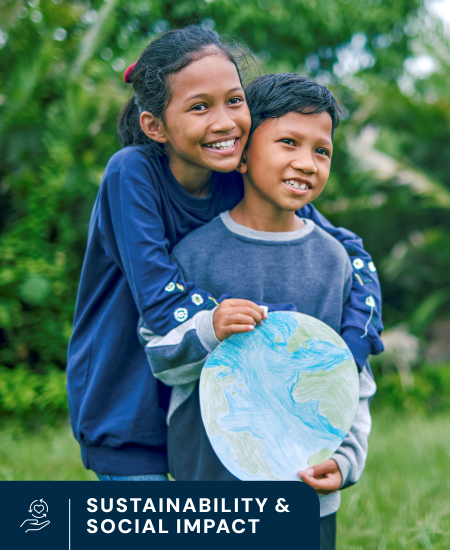
Sustainability Approach
A smile is a beautiful expression and, for us, it is also the most honest measure of how well our sustainability strategy is working. India represents one of the most critical contexts for delivering our sustainability strategy. With a population exceeding 1.4 billion and rising environmental pressures, the country is also witnessing a stronger national policy push toward climate commitments, the circular economy, and ESG accountability. In this context, the scale of both responsibility and opportunity is unmatched.
At Colgate-Palmolive (India), we believe that integrating sustainability throughout our business is central to how we create value, build resilience and support the continued growth of our business and that of the nation. Our approach is science-based, pragmatic, performance-driven, and focused on enabling sustained growth. It is designed to deliver consistent returns and ensure that the value we create generates positive outcomes for people and the planet.
We made significant progress under our 2025 Strategy, achieving measurable outcomes that positively impact both people and the planet. Guided by our new 2030 Sustainability & Social Impact Strategy (SMILE Strategy), we are well-positioned to address challenges and seize opportunities that deliver environmental benefits.
Our sustainability ambition is to go beyond compliance and drive performance to deliver tangible business outcomes. Alongside our environmental efforts, our social initiatives continue to drive meaningful impact in communities across the country. These efforts are underpinned by a strong governance framework that ensures transparency, ethical conduct, and accountability at every level of our organization.
Through our “Organize, Optimize, and Outperform” approach, we ensure that every initiative contributes to a future that is both sustainable and inclusive.

In FY 2025-26, we further strengthened our sustainability efforts to leave a long-lasting impression across key domains, including Environment, Social, Governance, Employees, Sustainable Sourcing, and Product Performance.






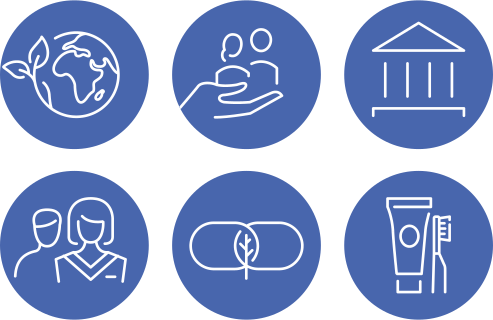

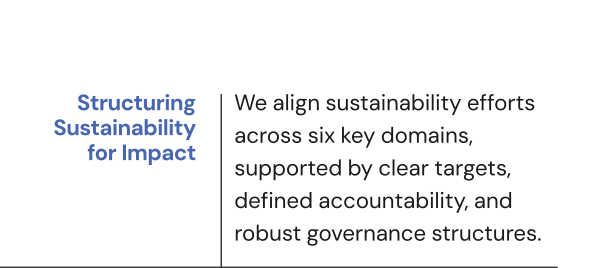
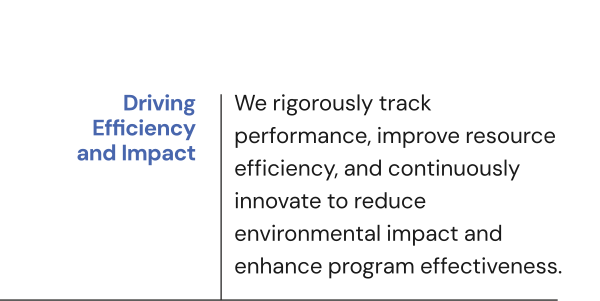
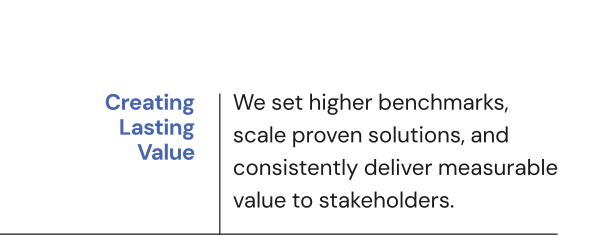
By organizing our efforts, optimizing resources, and outperforming
expectations, we aim to create lasting value for all stakeholders.

Governance Approach
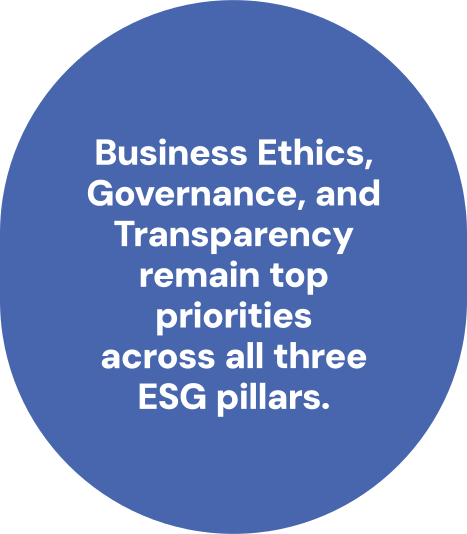
Our foremost priority is fostering a resilient organizational culture that proactively addresses sustainability considerations.
- A dedicated ESG & Corporate Social Responsibility (CSR) Committee at the Board level oversees ESG-related risks, impacts, and opportunities, ensuring strategic alignment and transparency for stakeholders.
- Our Core Committee and leadership team, comprising representatives from Legal, Finance, HR, Supply Chain, Corporate Communications, CSR, and Sustainability, collaborate to embed Sustainability & Social Impact goals into our broader corporate strategy.
- To drive effective implementation, a crossfunctional ESG taskforce monitors evolving trends and assesses performance, enabling the ESG & Corporate Social Responsibility Committee (ECC) to make well-informed decisions.

Stakeholder Management & Materiality
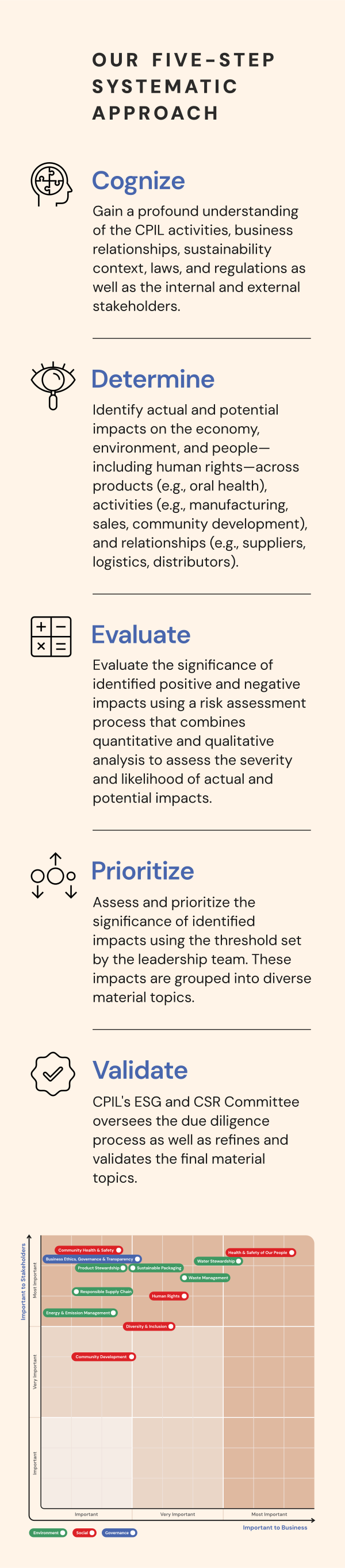
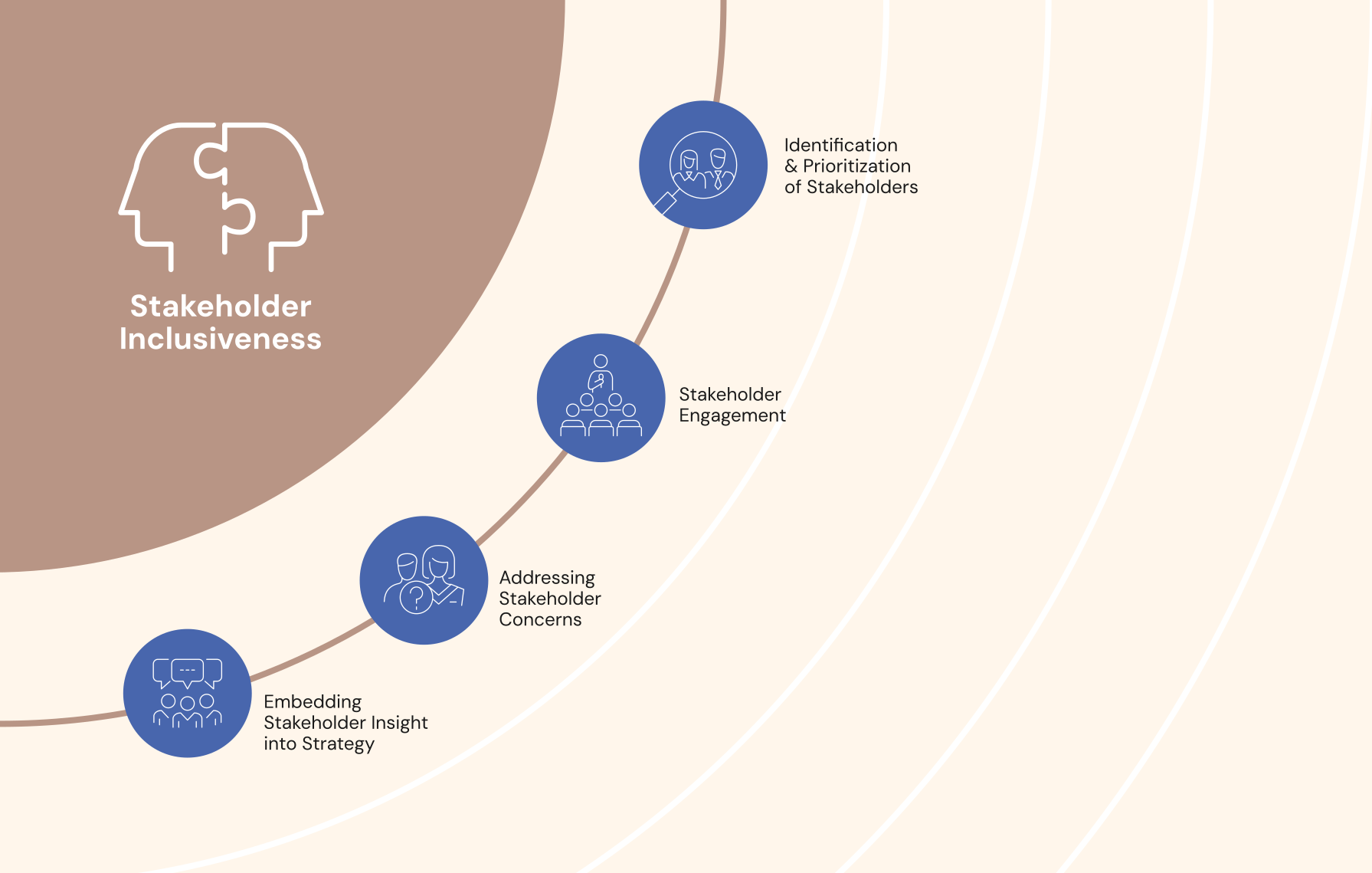
Listening to and engaging with stakeholders on sustainability is key to Colgate’s strategy. We review and revalidate our materiality assessment following a five-step approach (Cognize, Determine, Evaluate, Prioritize, Validate) to identify both positive and negative impacts across our operations, environment, and stakeholders. We maintain active stakeholder inclusiveness by addressing concerns, prioritizing groups (employees, consumers, investors, communities, NGOs), and embedding their insights into our strategy.
Materiality Assessment
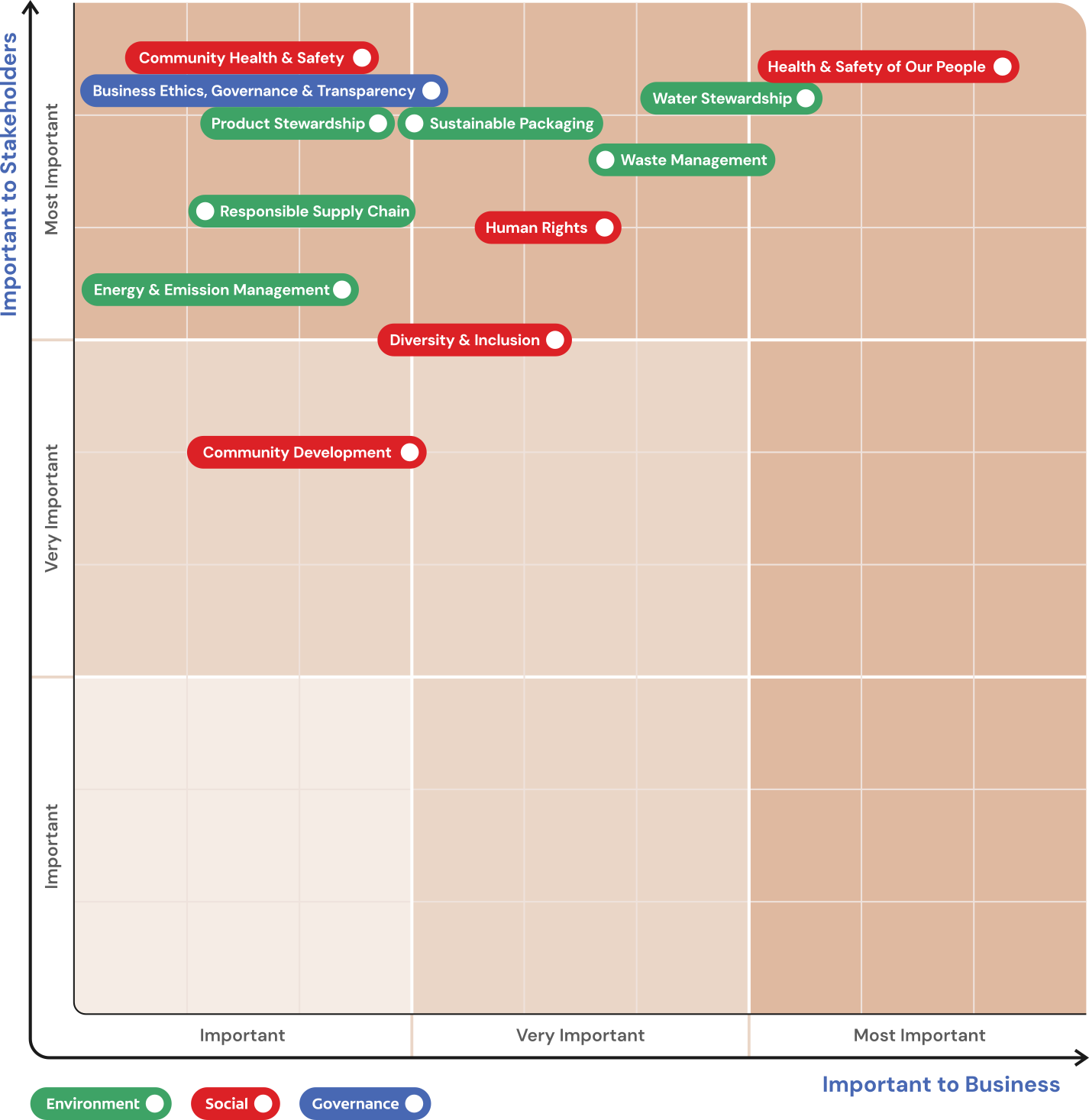
The five-step systematic approach has helped us prioritize key topics influencing CPIL strategy and define the scope of our Sustainability & Social Impact report.
OUR FIVE - STEP SYSTEMATIC APPROACH

Cognize
Gain a profound understanding of the CPIL activities, business relationships, sustainability context, laws, and regulations as well as the internal and external stakeholders.

Determine
Identify actual and potential impacts on the economy, environment, and people— including human rights—across products (e.g., oral health), activities (e.g., manufacturing, sales, community development), and relationships (e.g., suppliers, logistics, distributors).

Evaluate
Evaluate the significance of identified positive and negative impacts using a risk assessment process that combines quantitative and qualitative analysis to assess the severity and likelihood of actual and potential impacts.

Prioritize
Assess and prioritize the significance of identified impacts using the threshold set by the leadership team. These impacts are grouped into diverse material topics.

Validate
CPIL's ESG and CSR Committee oversees the due diligence process as well as refines and validates the final material topics.
Stakeholder Inclusiveness
By actively engaging with stakeholders, we gain valuable insights, identify emerging issues, and mitigate potential risks. We have a four-step approach to ensure stakeholder inclusiveness. This approach helps us develop the Materiality Matrix, providing a holistic view of what is important to us and our stakeholders.
Stakeholder Engagement
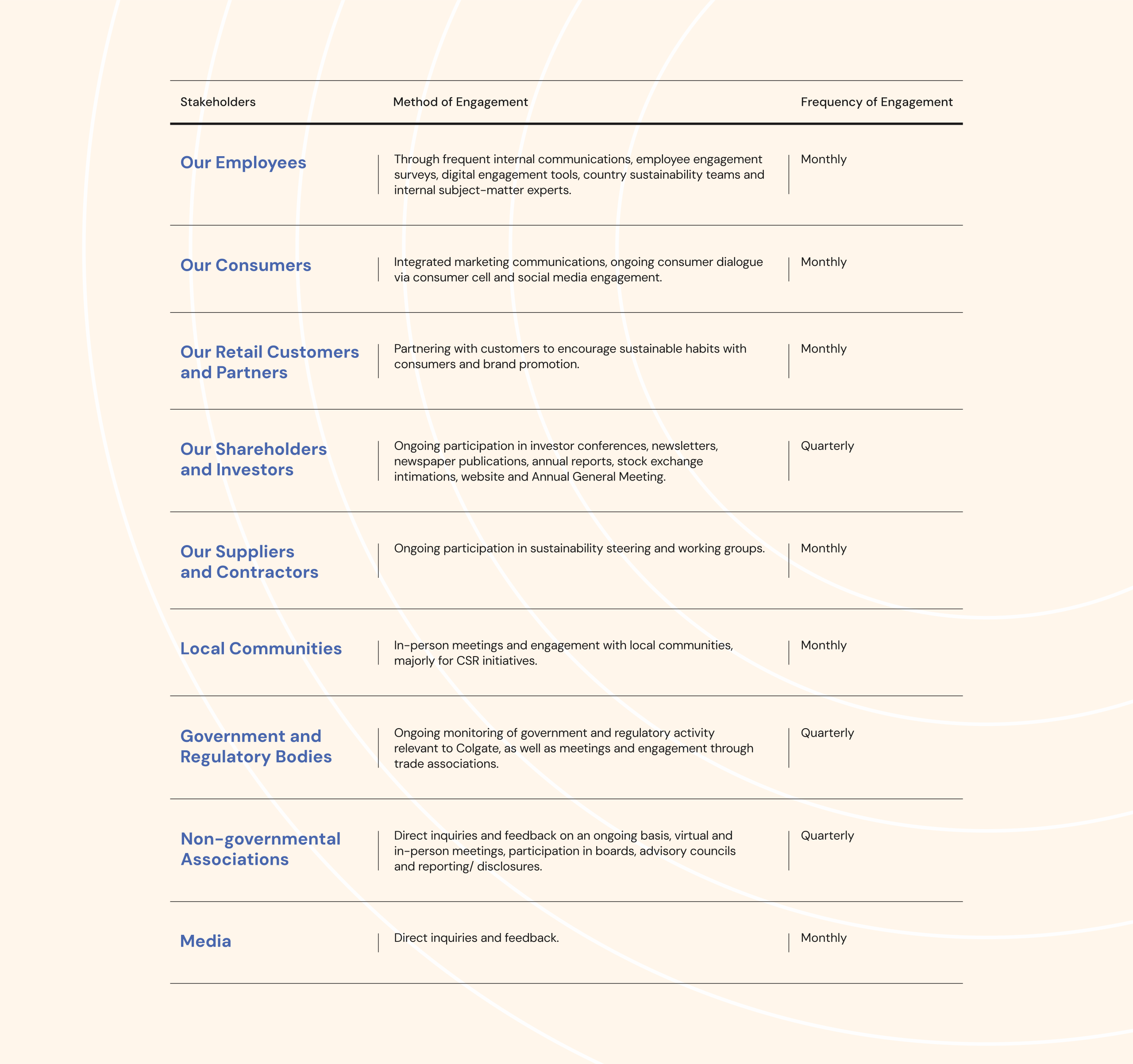
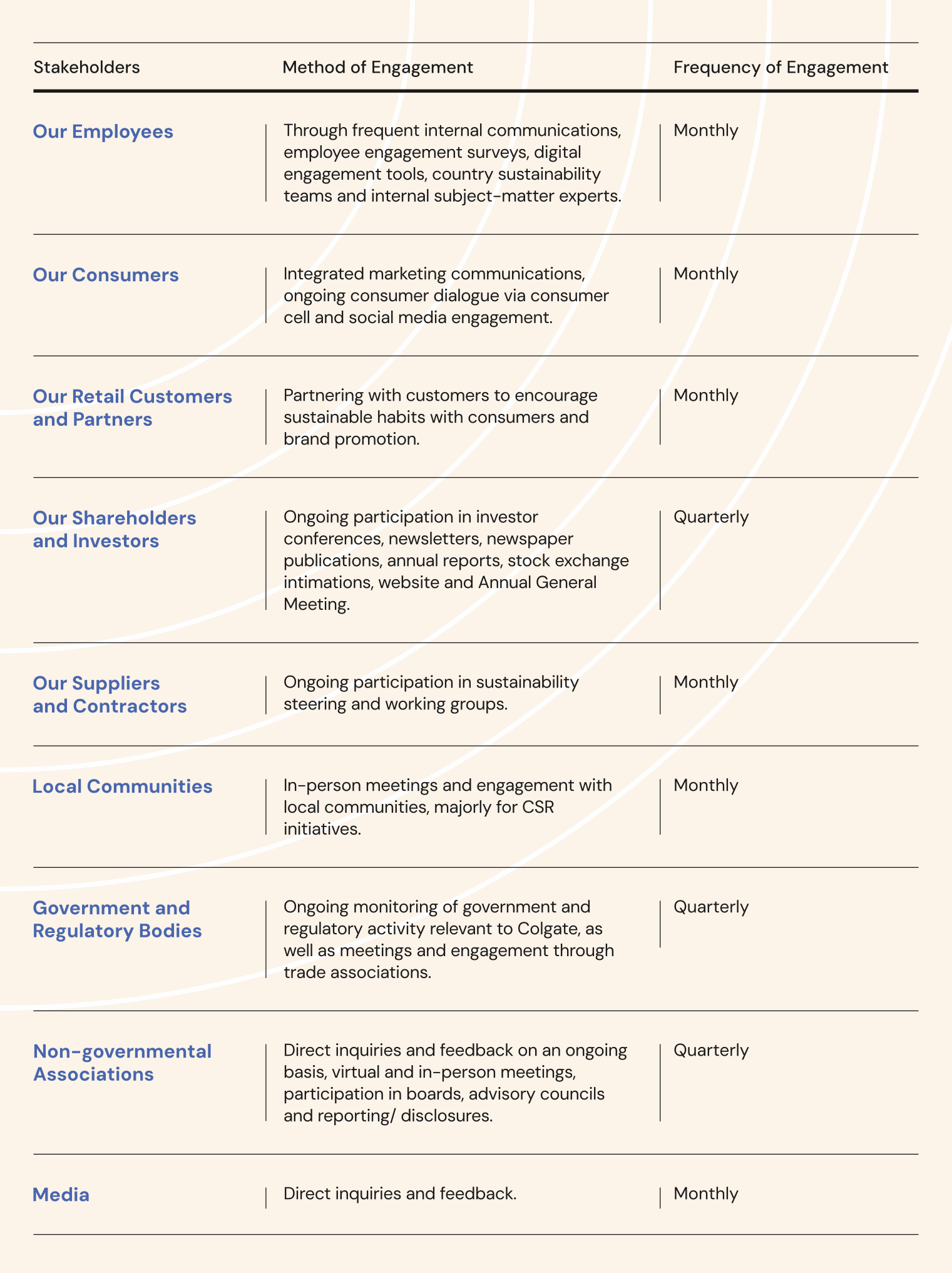
CPIL engages a broad range of internal and external stakeholders to inform them about our sustainability strategy and targets. Here is an overview of our key stakeholder groups and how we engage with them on sustainability matters.

Framework
Reimagining a healthier future for both people and the planet remains at the heart of what we do. It shapes how we grow, how we innovate, and how we create long-term value.
At the core of this commitment is the Sustainability & Social Impact Strategy. Be it the now-completed 2025 Strategy or the newly introduced 2030 SMILE Strategy, the underlying framework continues to guarantee a holistic and inclusive focus on Environmental, Social, and Home-focused dimensions. This continuity ensures that while our ambitions evolve, our purpose and direction remain firmly anchored.
By leveraging Data Analytics, tech & AI, and execution excellence, we seek to respond with agility, scale solutions effectively, and deliver impact where it matters most.
The governance and monitoring framework, stakeholder management, and materiality assessment together determine how we drive our Sustainability & Social Impact Strategy.

Our 2030 Sustainability &
Social Impact Strategy
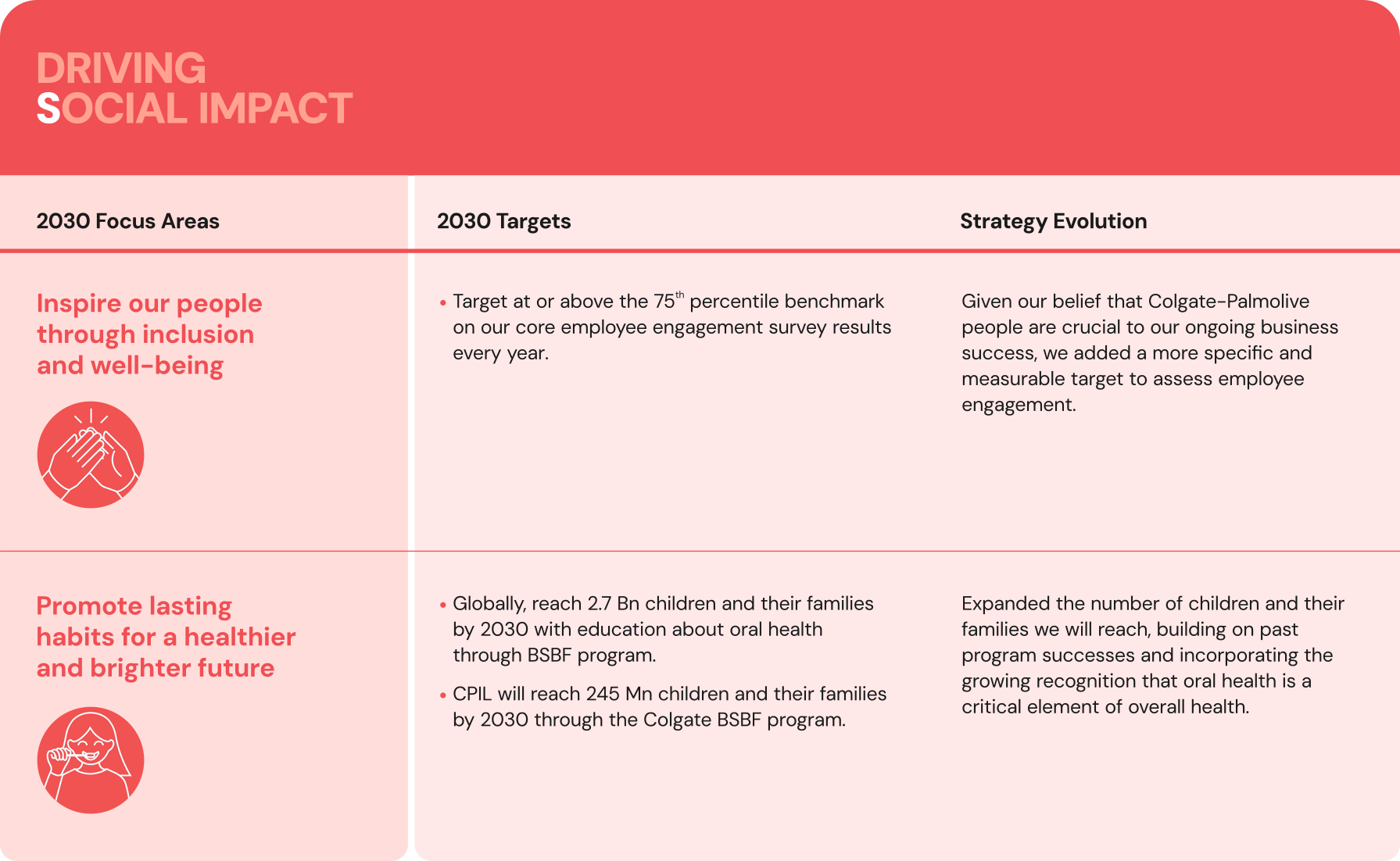
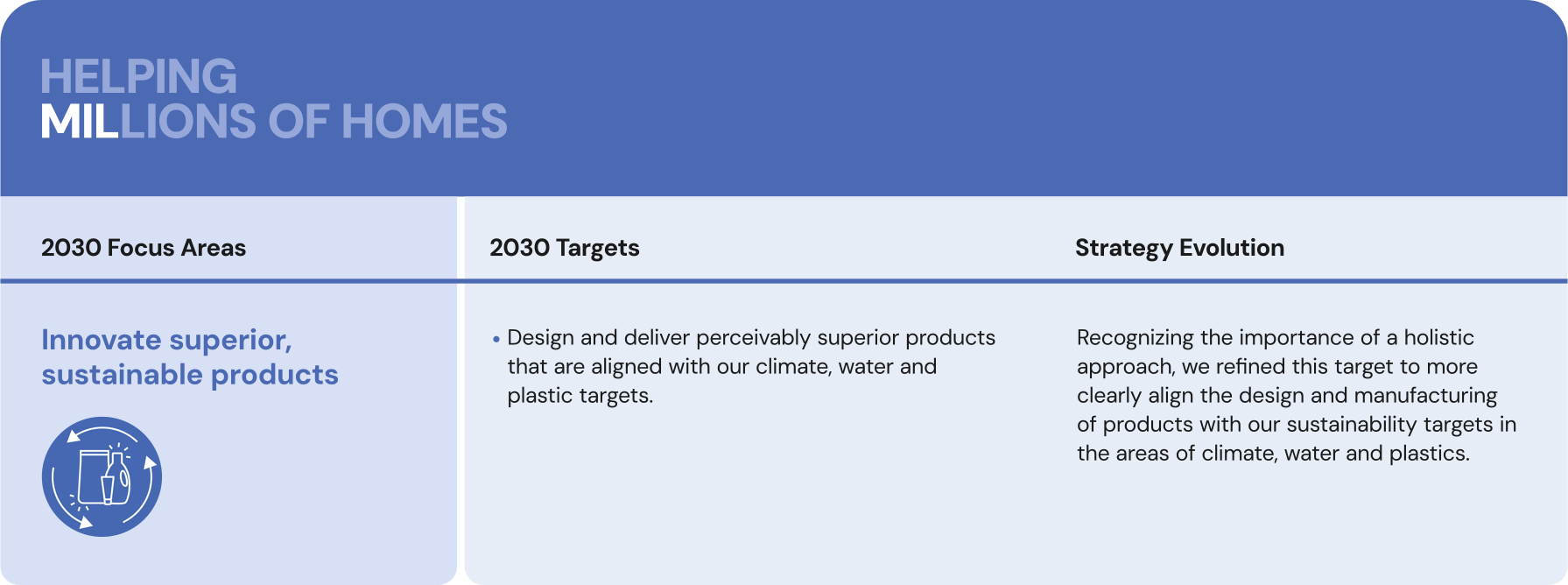
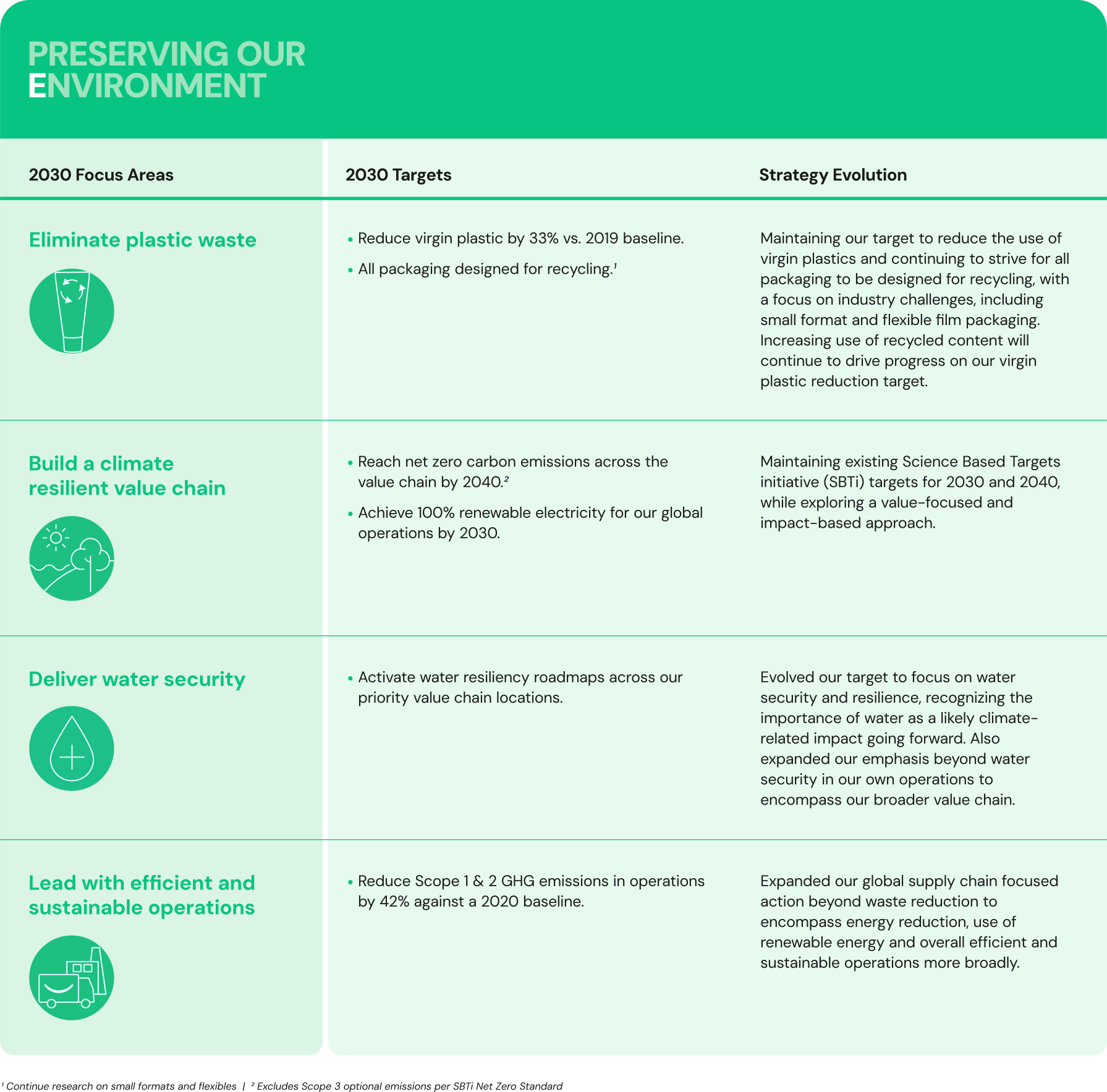
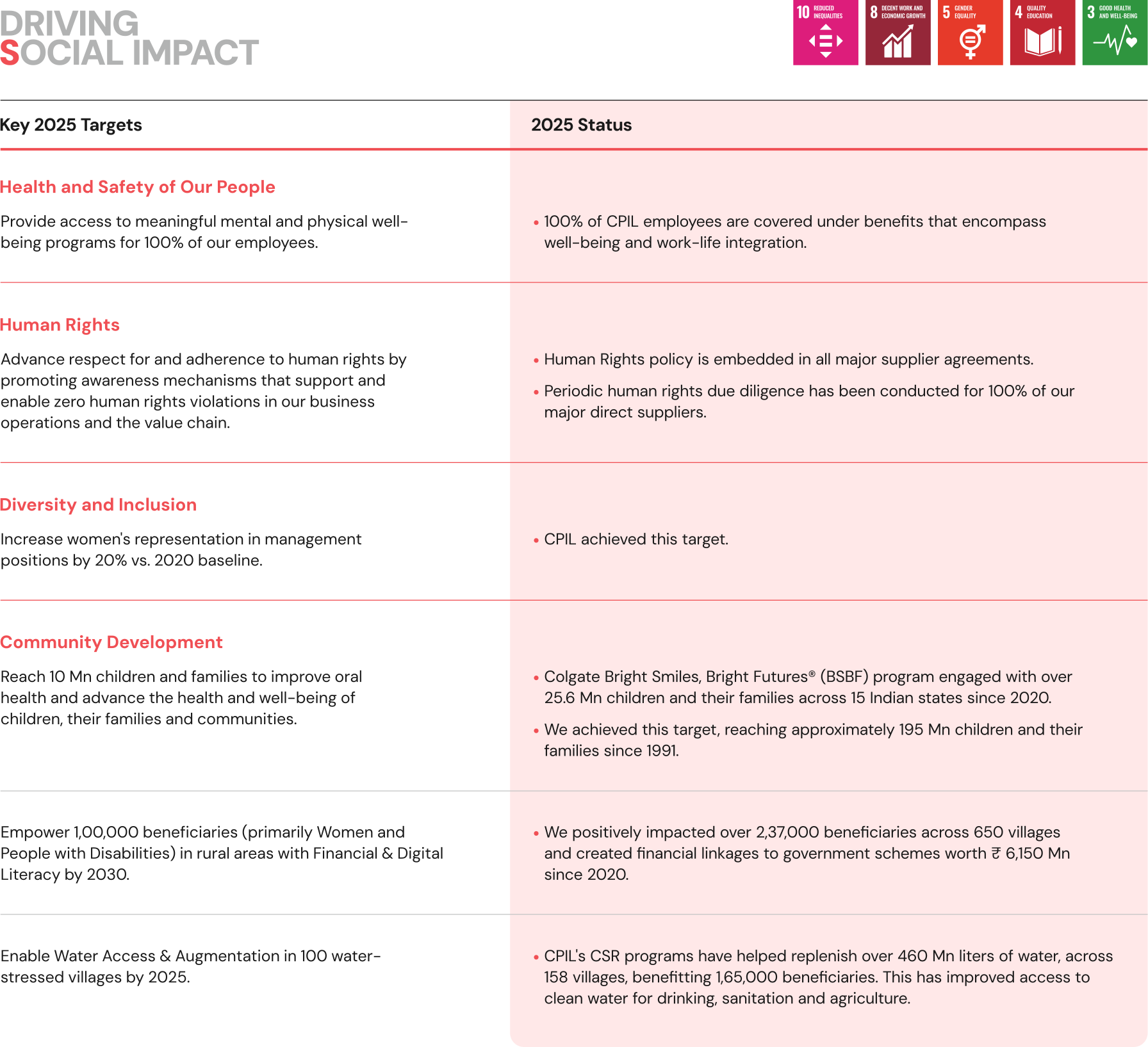
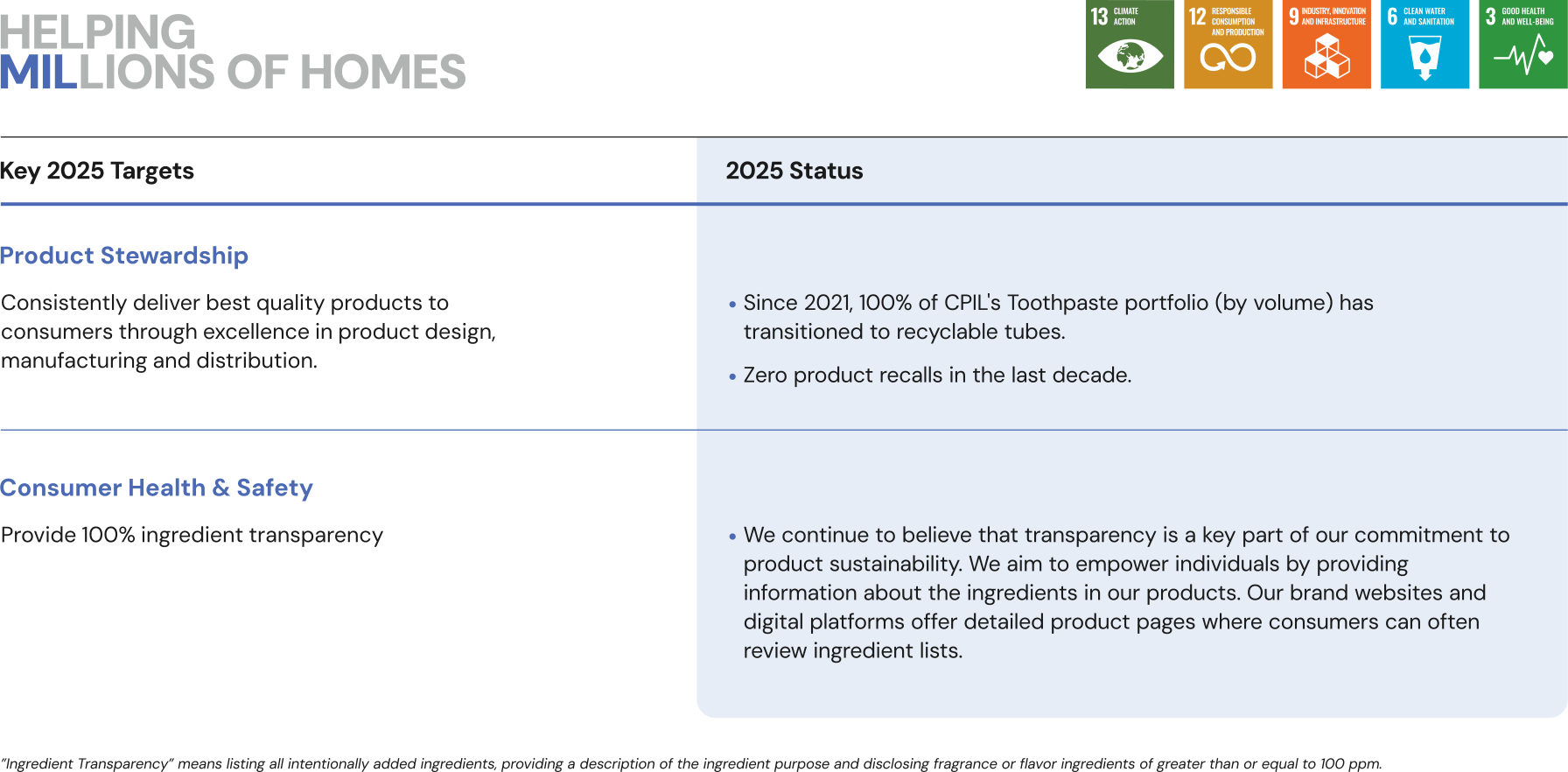
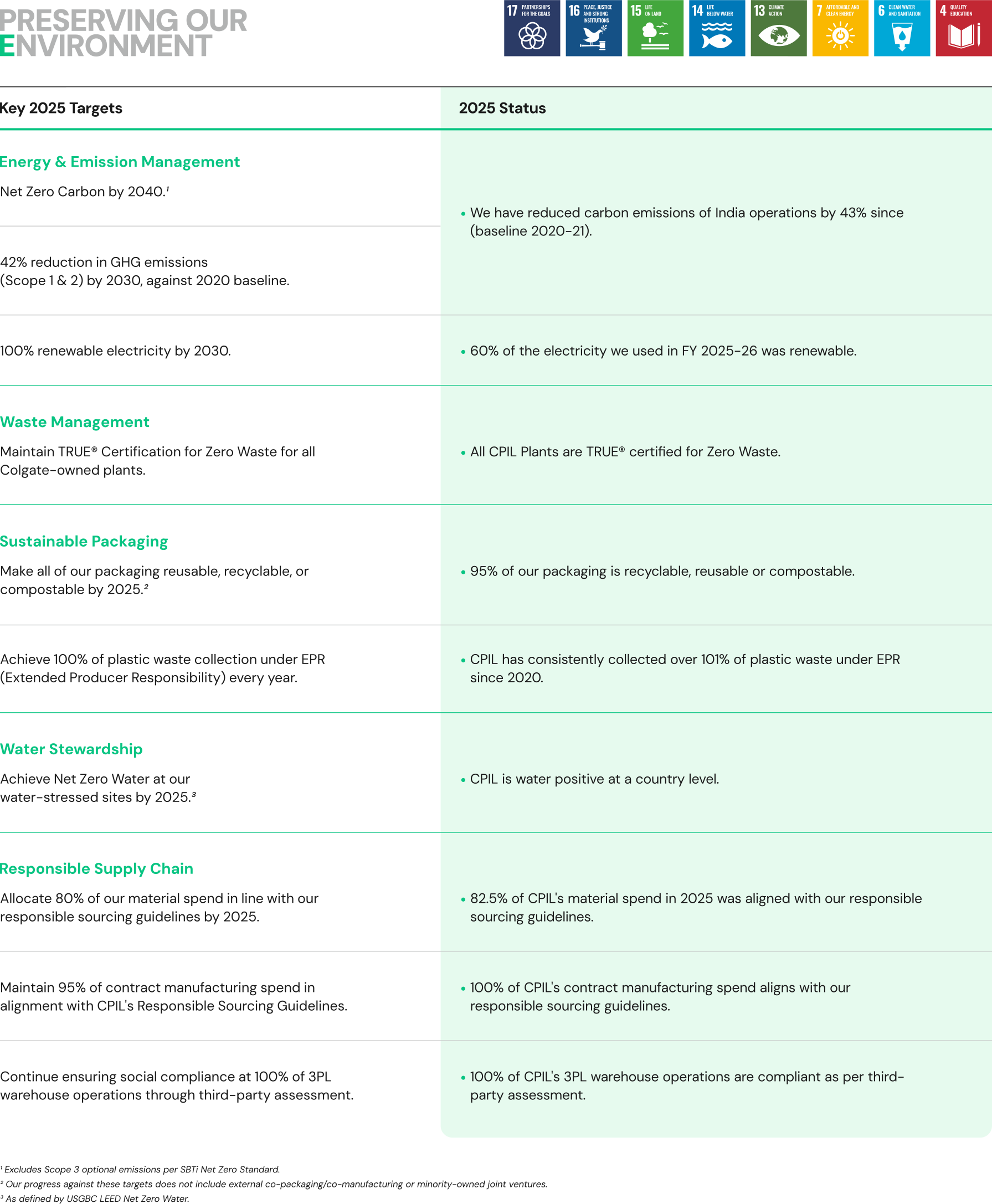
In 2025, we successfully closed out our 2025 Sustainability & Social Impact Strategy, which focused on our three key ambitions—Driving Social Impact, Helping Millions of Homes and Preserving Our Environment. Each of these was supported by a set of dedicated actions and key targets focused on issues and activities that we believed were most material to Colgate- Palmolive.
Our 2030 Sustainability & Social Impact Strategy builds on what we have learned over the past five years and the emerging challenges and opportunities we anticipate over the next five years. We have streamlined our strategic direction, concentrating on areas where we can have the greatest potential impact as we drive performance through refined targets.
The following page provides an overview of progress against our 2025 strategy and introduces our updated 2030 strategic direction, including an explanation of how we have refined our targets to lead us toward continued progress over the next five years.



What We've Accomplished at CPIL
2025 Sustainability & Social Impact Targets
Where We're Going
CPIL's 2030 Global Sustainability & Social Impact Strategy
is consistent with the global Colgate-Palmolive Company targets.